











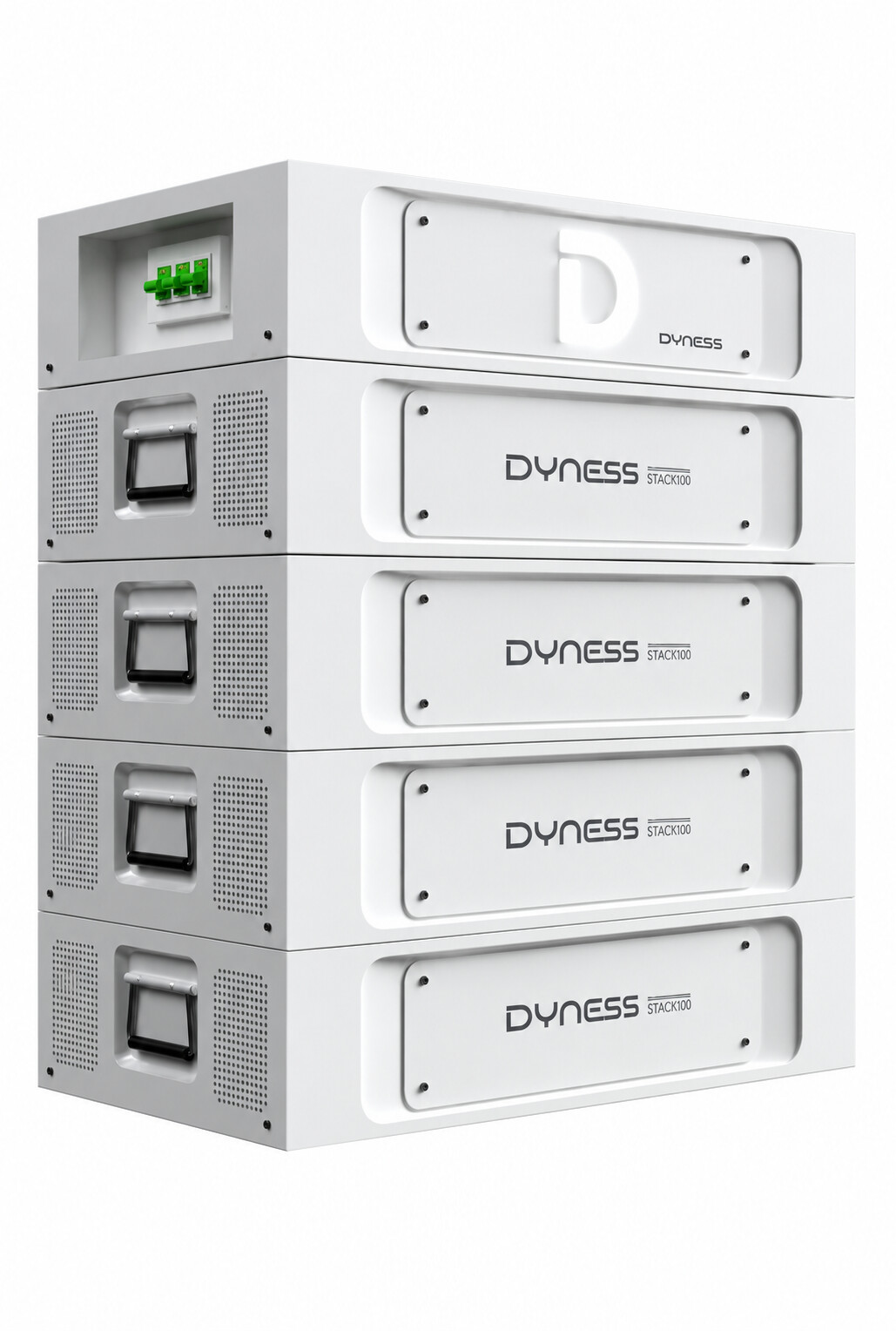



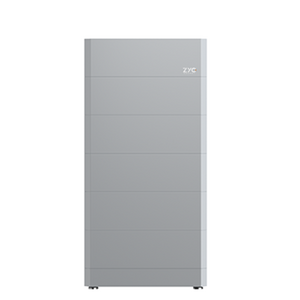
Dyness STACK100 20.48 kWh – Utilize More of Your Own Solar Power
Store solar energy during the day and consume it strategically later:
The Dyness STACK100 with 20.48 kWh expands your
photovoltaic system with a powerful high-voltage battery storage.
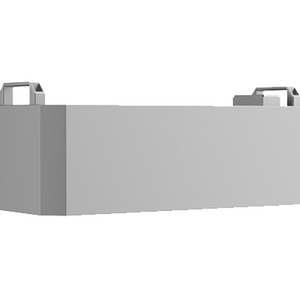
Four battery modules, each with 5.12 kWh, offer generous
storage capacity for homes with increased electricity demand,
agricultural applications, and commercial businesses.
This allows self-generated PV electricity to be used even
when the sun no longer provides sufficient energy.
The combination of lithium iron phosphate technology,
modular stackable design, and intelligent battery monitoring
makes the STACK100 a well-thought-out solution for your
energy supply. The storage system is particularly interesting
if regular solar surpluses occur and a larger part
of your consumption falls into the evening or night hours.
Your advantages at a glance
- 20.48 kWh nominal capacity:
four modules of 5.12 kWh each for demanding storage applications. - 95% depth of discharge:
approximately 19.46 kWh of usable battery energy. - Proven LiFePO4 cell chemistry:
thermally stable technology for regular storage operation. - Modularly expandable:
the STACK100 series can be adapted to growing energy needs
within the manufacturer’s specifications. - Space-saving stackable:
clear system structure on a compact footprint. - Networked monitoring:
integrated WLAN as well as app and OTA functions.
Store solar energy instead of feeding it unused into the grid
Electricity generation and electricity consumption rarely match exactly
in everyday life. While your PV system achieves high yields at noon,
demand often only increases later. A suitably designed
20 kWh PV storage system shifts part of this
energy to the hours when you actually need it.
This can increase self-consumption and reduce grid electricity consumption.
Whether it’s a household with a heat pump, evening electricity demand, or operational
consumers: the interaction of PV yield,
load profile, and inverter is crucial. The 20.48 kWh configuration provides
a generous storage base for this. How long it supplies your consumers
depends on their power, the state of charge, and system losses.
LiFePO4 technology with a multi-stage protection concept
The Dyness STACK100 relies on lithium iron phosphate cells.
An integrated battery management system
monitors operation and supports the protection of cells
and the overall system. The safety concept is supplemented by
an aerosol fire extinguishing system and active air cooling.
With protection class IP20, the storage unit is designed for a suitable, dry indoor area. A protected technical room with the prescribed clearances and suitable ambient conditions creates the basis for reliable operation.
A storage system that can be expanded
The stackable design facilitates structured installation. Within the STACK100 series, configurations with 3 to 15 battery modules and thus 15.36 to 76.8 kWh nominal capacity per system are provided. The version described here includes four battery modules.
If additional consumers are added later, an expansion can be considered within the Dyness specifications. This must take into account, among other things, the inverter, permissible voltage range, module condition, and installation concept. This keeps your storage planning open for future requirements.
Integration into your photovoltaic system
The battery storage communicates with a compatible inverter via CAN and RS485. Crucial for selection is the approval of the specific inverter model, including firmware version and required number of modules. The integrated WLAN module enables connection to the intended app and update functions.
Backup power supply and peak load management can also be realized with a correspondingly designed overall system. These functions depend on the inverter used, the control system, and the electrical installation. The battery alone does not yet provide a complete emergency power supply.
Technical data of the Dyness STACK100 with 20.48 kWh
| Storage type | Modular high-voltage battery storage |
|---|---|
| Cell technology | Lithium iron phosphate (LiFePO4 / LFP) |
| Nominal capacity | 20.48 kWh |
| Battery modules | 4 × 5.12 kWh |
| Nominal system voltage | 204.8 V |
| Depth of discharge | 95% DoD |
| Calculated usable battery energy | 19.46 kWh at 95 % DoD, before system losses |
| Recommended charge and discharge current | 50 A |
| Maximum charge and discharge current | 100 A, depending on operating conditions and system approval |
| Communication | CAN / RS485 |
| WLAN | Integrated, with app and OTA functions |
| Protection rating | IP20 |
| Cooling | Active air cooling |
| Fire protection | Integrated aerosol fire extinguishing system |
| Charging temperature according to STACK100-4S manual | 0 °C to +50 °C |
| Discharging temperature according to STACK100-4S manual | −20 °C to +50 °C |
| Dimensions according to STACK100-4S manual | 591 × 390 × 768 mm (W × D × H) |
| Installation | Stack mounting in a suitable indoor area |
Temperature approvals and dimensions may vary depending on the hardware version.
The documentation of the delivered version is authoritative.
The actually available energy depends, among other things, on temperature,
aging, operating parameters, and conversion losses.
Frequently Asked Questions about the Dyness STACK100 20.48 kWh
Are 20.48 kWh fully usable?
20.48 kWh refers to the nominal capacity. With a depth of discharge
of 95%, a calculated 19.456 kWh of battery energy results.
Due to conversion and system losses, correspondingly less energy is available
at the connected consumer.
Is the storage system compatible with my inverter?
A prerequisite is approval for the specific inverter model.
Additionally, its battery voltage range and firmware must be compatible
with the configuration of four STACK100 modules.
The selection is made based on the current Dyness compatibility list.
Is outdoor installation possible?
The STACK100 has an IP20 protection rating and is intended for a suitable
indoor environment. It is not designed for unprotected outdoor installation.
Can the storage system provide power during an outage?
With a compatible, backup power-capable inverter and the
necessary installation, the storage system can be part of a
backup power solution. The scope and performance of the supply
are determined by the entire system.






Reviews
There are no reviews yet.