










Imagine being able to produce your own electricity and not having to rely on the public grid in an emergency. This was also the case for Matthias, who was suddenly inundated with offers for photovoltaic systems and didn’t know where to start. In this article, I will show you how to sensibly use photovoltaics and storage to optimally cover your energy needs. Here you will learn what the right storage size looks like for your home.
Understanding the Basics of a Photovoltaic System
What is a Photovoltaic System?
A photovoltaic system, often referred to as a PV system, is a system that converts sunlight into electrical energy. It consists of several solar modules installed on roofs or open spaces. These modules capture sunlight and generate electricity. But how exactly does that work?
How does the conversion of sunlight to electricity work?
The conversion of sunlight into electricity occurs through the so-called photovoltaic effect. When sunlight hits the solar cells, electrons are set in motion. This movement generates direct current. An inverter converts this direct current into alternating current, which can be used in your home. Isn’t it fascinating how the sun provides us with energy?
Typical Components of a PV System
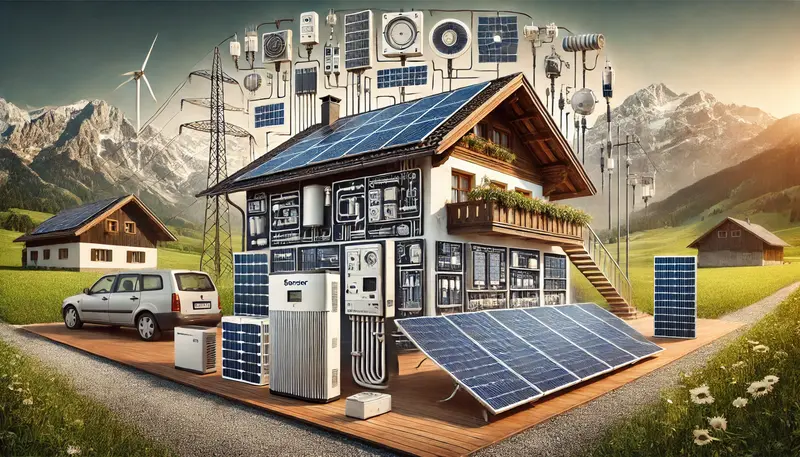
- Solar modules: They are the heart of the system and convert sunlight into electricity.
- Inverter: Converts direct current into alternating current so you can use it in your household.
- Mounting system: Holds the solar modules securely in place.
- Battery storage: Stores surplus electricity for times when the sun is not shining.
- Cabling: Connects all components and ensures the flow of electricity.
Advantages of solar energy for your household
The use of solar energy has many advantages. Here are some of the most important:
- Cost Savings: You can significantly reduce your electricity bill.
- Environmentally Friendly: Solar energy is a clean, renewable energy source.
- Independence: You are less dependent on electricity providers and rising prices.
- Increased Value: A photovoltaic system can increase the value of your property.
Explanation of Key Terms and Technologies
It is important to understand the terms and technologies surrounding photovoltaics. For example, what is an inverter? An inverter is a device that converts the generated direct current into alternating current. And what is a power storage system? This is a system that stores excess electricity so you can use it later.

The Role of the Sun as a Renewable Energy Source
The sun is one of the greatest energy sources we have. It radiates an enormous amount of energy onto Earth daily. This energy is not only free but also inexhaustible. By installing a photovoltaic system, you effectively utilize this natural resource. And the best part? You are doing something good for the environment.
Many offers state an attractive amortization period. This means that the investment in a photovoltaic system pays for itself in a relatively short time. But be careful! It is important to carefully examine the offers and consider your specific needs before making a decision.
| Component | Function |
|---|---|
| Solar modules | Convert sunlight into electricity |
| Inverter | Converts direct current into alternating current |
| Mounting system | Holds the solar modules in place |
| Battery storage | Stores surplus electricity |
| Wiring | Connects all components |

A Report on Experience: From Overwhelm to Clarity
Matthias faced a challenge. He had decided to install a photovoltaic system. But when he entered his data on a platform, he received a flood of five offers. Overwhelm was the result. How does one deal with such a jungle of offers?
How Matthias Dealt with the Offer Jungle
The initial offers were overwhelming. Each had its own advantages and disadvantages. Matthias felt lost. He asked himself: How can I choose the best offer? The consultant he consulted advised him not to compare immediately. Instead, he should focus on his specific wishes.
- What are my goals with the photovoltaic system?
- How much self-sufficiency do I desire?
- What happens in the event of a power outage?
These questions helped Matthias gain clarity. He realized that it was not just about the numbers, but about his individual needs.
The Fundamental Questions About His Needs
Matthias found that he had a clear idea of his energy consumption. He knew that he needed about 8 kilowatt-hours per night in winter. But what did that mean for the size of the photovoltaic system? The consultant explained that the performance of the storage and the capacity should be tailored to the specific consumption.
Matthias asked himself: How much electricity do I really need? These considerations led to a recommendation for a storage unit with at least 12 kilowatt-hours. It was also important to consider the possibility of a power outage.
Considerations for Backup Power Supply
The idea of a backup power supply was crucial for Matthias. He wanted not only a photovoltaic system but also security. What happens if the power goes out? The consultant explained that the correct sizing of the storage plays a major role here.
Matthias understood that he could not simply install a large storage unit without considering the performance of the photovoltaic system. It’s useless if the system doesn’t supply enough electricity. This insight helped him to better evaluate the offers.
An interesting article on this topic:
Individual adjustments to find the best solution
In the end, Matthias’s goal was clear: he wanted a solution tailored to his needs. The rule of thumb, which relates 1 kilowatt peak of system output to 1 kilowatt-hour of storage capacity, was not sufficient for him. Why should I settle for a generalization?
Matthias and the consultant looked for individual adjustments. They considered not only the capacity of the storage but also the financing and future needs. The use of dynamic electricity tariffs was also discussed to save costs and generate income.
Matthias’s experiences show how important it is to address one’s own needs. He found that his considerations were often too vague. Clear questions were necessary to find the best solution.

The crucial questions about storage size
If you are considering a photovoltaic system, there are some important questions you should clarify. One of the central questions is: How much electricity do you generally consume? This information is crucial for determining the correct storage size. But how can you find that out?
Calculating overnight consumption
To calculate your overnight electricity consumption, you should check your previous bills. Have you ever thought about how much electricity you need at night? An example is Matthias, who found that he consumes about 8 kWh per night in winter. This is an important figure that helps you determine the size of your storage.
| Consumption per night: | 8 kWh at Matthias’s |
|---|
Additional factors: electric cars and heat pumps
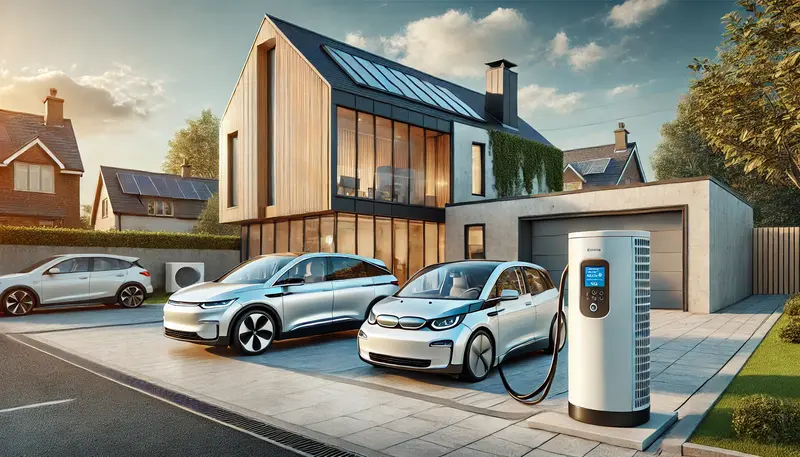
Also consider additional factors such as electric cars and heat pumps. If you own an electric car, this can significantly increase your electricity consumption. Have you considered how much more electricity you would need for it? Heat pumps are also a major electricity consumer. It is important to include all these aspects in your calculations.
The importance of the right storage size
The right storage size is not just a technical question. It can be very economical for you if you clarify the fundamental questions about it. The storage system is one of the most expensive components of the entire system, so let’s decide wisely. A wrong decision can have serious financial consequences.
To determine the right size, you should also consider the output of your photovoltaic system. There is no point in installing a large storage system if the system does not supply enough electricity. Matthias, for example, has an annual consumption of more than 4000 kWh. He was therefore advised to choose a storage system with a capacity of at least 12 kWh, especially since he also wanted to be protected against power outages.
Product example:
Formulas for Calculating Storage Sizes
There are also rules of thumb that can help you. A common rule of thumb states that 1 kW peak of system output corresponds to approximately 1 kWh of storage capacity. But be careful! These generalizations are not always accurate. It is better to find individual solutions based on your specific needs.
Individualized Calculation Proposals for Different Households
Every household is different. Therefore, it is important that you carefully analyze your own needs and consumption. Have you ever considered how your future needs might develop? Perhaps you are planning to buy an electric car or use your heat pump. All these factors should be included in your calculations.

Matthias Schiestl and his team are always ready to help you reliably and quickly with any questions and with how you can use the devices reliably and efficiently in your everyday life. » learn more about us
+43 676 88731200 9 AM - 12 PM weekdays info@pv-24.at
Overall, it is crucial that you take the time to clarify all these questions. Only then can you make an informed decision and ensure that you choose the correct storage size for your photovoltaic system.

First Steps to Reviewing Offers
When considering offers for photovoltaic systems, it is important to review them carefully. Often, you receive several offers that seem tempting at first glance. But how can you ensure that you make the right choice? Here are some steps that can help you.
1. Comparing Offers Based on Reputable Criteria
Before you decide on an offer, you should compare the different options based on reputable criteria compare. What are serious criteria? These are factors such as:
- The quality of the materials used
- The provider’s experience and reviews
- The transparency of costs and services
Ask yourself: What makes a provider trustworthy? A good provider will not only give you a competitive offer but also clearly communicate all aspects of installation and maintenance.
2. Assessing the Necessity of Storage Solutions
Another important point is the necessity of storage solutions. Do you really need a battery storage system? Consider how much electricity you consume at night. If you generate a lot of electricity during the day but none at night, a storage system might be useful. Otherwise, it could incur unnecessary costs.
The battery storage system is often one of the most expensive components of a photovoltaic system.
A wrong decision can therefore have serious financial consequences. Have you already analyzed your nighttime consumption?
3. Correctly Estimating the Size and Capacity of the Storage System
The size and capacity of the storage system must be tailored to your specific consumption. There is no point in installing a large storage system if your photovoltaic system does not supply enough electricity. The consultant recommends considering annual consumption. Matthias, an example customer, knew that he needed about 8 kilowatt-hours per night in winter.
A rule of thumb states that 1 kilowatt peak of system capacity corresponds to approximately 1 kilowatt-hour of storage capacity. But beware! This rule is not set in stone. Every household has different needs. Have you ever considered how much electricity you actually need?
4. Dynamic Electricity Tariffs and Their Importance for You
An often-overlooked point is dynamic electricity tariffs. These can help you save costs and even generate revenue through grid services. It is important to inform yourself about the different tariffs and consider how they can affect your total costs.
As the consultant says: “The calculation of storage size becomes more complex with dynamic tariffs.” This means you need to carefully weigh your options. Have you ever considered how much you could save by choosing the right tariff?
In summary, every offer should be checked for its suitability for your specific needs. Use the points mentioned above as a guide to make the best decisions for your photovoltaic system.
Do not forget that it can also be helpful to access resource-rich links that can assist you in offer evaluation. And remember to consider dynamic tariffs to maximize cost-efficiency.

Conclusion: Your Individual Photovoltaic Solution
At the end of your journey to the perfect photovoltaic system, it is important to summarize the essential points. You have learned a lot and made many decisions. But what happens next? Let us review the most important aspects again and help you plan the next steps.
Summary of Key Points
The choice of the right photovoltaic system and storage depends heavily on your personal needs. You have learned that it is not just about the technology, but also about your individual requirements. Questions such as:
- How much electricity do you consume?
- How much self-sufficiency do you want to achieve?
- What are your goals regarding economic efficiency?
These considerations are crucial. A good decision is based on sound information. This means you should take your time to understand all offers and their advantages and disadvantages.

How to Find Your Perfect Offers
When you are looking for the best offers, it is advisable not to compare immediately. Instead, you should first clarify your specific wishes and requirements. The consultant in Matthias’s example showed how important it is to define your own goals. You can enter the offers on platforms, but make sure they meet your needs.
Take a close look at the different providers. Pay attention to:
- The quality of the products
- The experiences of other customers
- The transparency of the offers
Do not forget that the cheapest option is not always the best. Sometimes it is better to invest a little more to save costs in the long run.
Recommendation for the next steps
Now that you have an idea of your needs, it is time to take concrete steps. Here are some recommendations:
- Analyze your electricity consumption precisely.
- Define your goals for the photovoltaic system.
- Compare offers that meet your requirements.
- Seek advice from experts to make the best decisions.
Remember that the right advice is crucial. It can help you find the best options and avoid wrong decisions.

The Importance of Good Consulting
The role of a consultant cannot be overemphasized. A good consultant will not only explain the technical details but also address your individual needs. They will help you understand the complex aspects of photovoltaics and find the right solution for you.
Reflecting on your entire decision-making process is important. Every step you have taken has brought you closer to your ideal photovoltaic system. And this is an individual journey that looks different for everyone.
Finally, do not be discouraged if you encounter obstacles. Finding the perfect solution can be challenging, but with the right information and appropriate advice, you will ultimately make the right decision.
“A good decision is based on sound information.”
In this sense, take the time you need to find the best photovoltaic solution for you. You are in control of your energy future. Make the most of it!
Would you like a consultation?